
Dr. Usha Barwale Zehr – Cultivating Innovation in Indian Agriculture
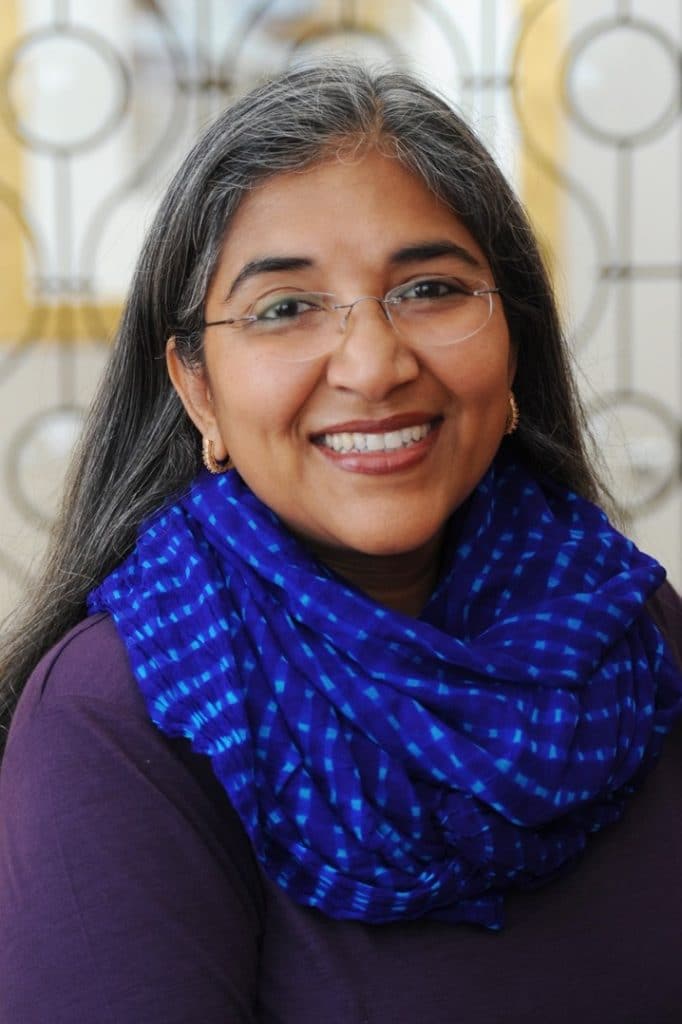
Dr. Usha Barwale Zehr exemplifies how a life sciences background can evolve into a career that feeds nations and shapes the future of farming. Her work proves that agriculture is not “old-fashioned”—it’s a cutting-edge science with direct human impact. For young scientists, her story is a call to action: use your skills to grow solutions that matter.
When we talk about transformative figures in Indian agriculture, the name Dr. Usha Barwale Zehr stands tall. A visionary in plant biotechnology, Dr. Zehr has been at the forefront of advancing hybrid seeds and agricultural biotechnology in India, touching the lives of millions of farmers and shaping the future of food security.
Early Foundations & Academic Brilliance
Dr. Usha Barwale Zehr earned her BSc in Microbiology (1981) from Wilson College, University of Bombay, followed by a Diploma in Clinical Analysis (1982) from Sophia College, Bombay. She then pursued higher studies in the U.S., obtaining an MS (1985) and PhD (1987) in Agronomy from the University of Illinois at Urbana–Champaign, where she contributed to pioneering work in tissue culture and soybean regeneration.
Global Research and Technology Transfer
Post-PhD, Dr. Zehr joined Purdue University as a geneticist in their Sorghum Improvement Program, where she helped create the first transgenic sorghum plant—an important milestone in plant biotechnology
Impact Beyond the Lab
What sets Dr. Zehr apart is her ability to connect science with the farmer’s field. She believes technology should not remain confined to research institutions but must empower smallholder farmers. Through training programs, farmer outreach, and public-private collaborations, she has ensured that advanced agricultural technologies are accessible and affordable.
Her global collaborations have also placed Indian agriculture on the international stage, contributing to seed system improvements in other developing countries.
Innovations That Matter
Dr. Zehr was a key visionary behind the development and biosafety assessment of Bt brinjal, a genetically modified crop designed to reduce pesticide use and boost yield—demonstrating her commitment to sustainable, farmer-centric innovation
She emphasized bridging lab science with real farm impact, advocating the integration of technologies such as precision agriculture, genome editing, phenotyping, robotics, and data analytics, while prioritizing soil health and irrigation efficiency
Why She’s Our Scientist of the Month
Dr. Zehr’s journey is a powerful reminder that scientific innovation in agriculture is not just about improving crop yield—it’s about safeguarding livelihoods, ensuring food security, and addressing climate change. She represents a rare blend of research excellence, business acumen, and grassroots impact.
Lessons for Life Sciences Students
If you are a life sciences student, here’s how you can draw inspiration from Dr. Usha Barwale Zehr’s career:
- See the Bigger Picture: Don’t limit your vision to a single lab technique. Understand how your work can solve real-world problems, especially in food, health, and sustainability.
- Interdisciplinary Learning: Agricultural biotechnology requires knowledge of genetics, microbiology, plant pathology, and data analytics. Build a broad skill set to stay versatile.
- Value Farmer Engagement: Scientific solutions gain meaning only when they reach the people who need them most. Learn to communicate your research in simple, practical terms.
- Embrace Technology Transfer:Consider careers in seed companies, agri-startups, and policy organizations where science moves from research to application
- Stay Globally Connected: Join agricultural research networks, conferences, and internships to collaborate with global scientists—just as Dr. Zehr has done throughout her career.
Topics
- Dr. Usha Barwale Zehr
- Indian women scientists
- Agricultural biotechnology
- Life sciences inspiration
- Plant biotechnology in India
- Women in STEM India
- Plant breeding innovations
Discussion
Reading this article needs no account. Liking it or joining the discussion does.